
Phalloplasty Tattooing After Gender-Affirming Surgery: What to Expect and Why It Matters
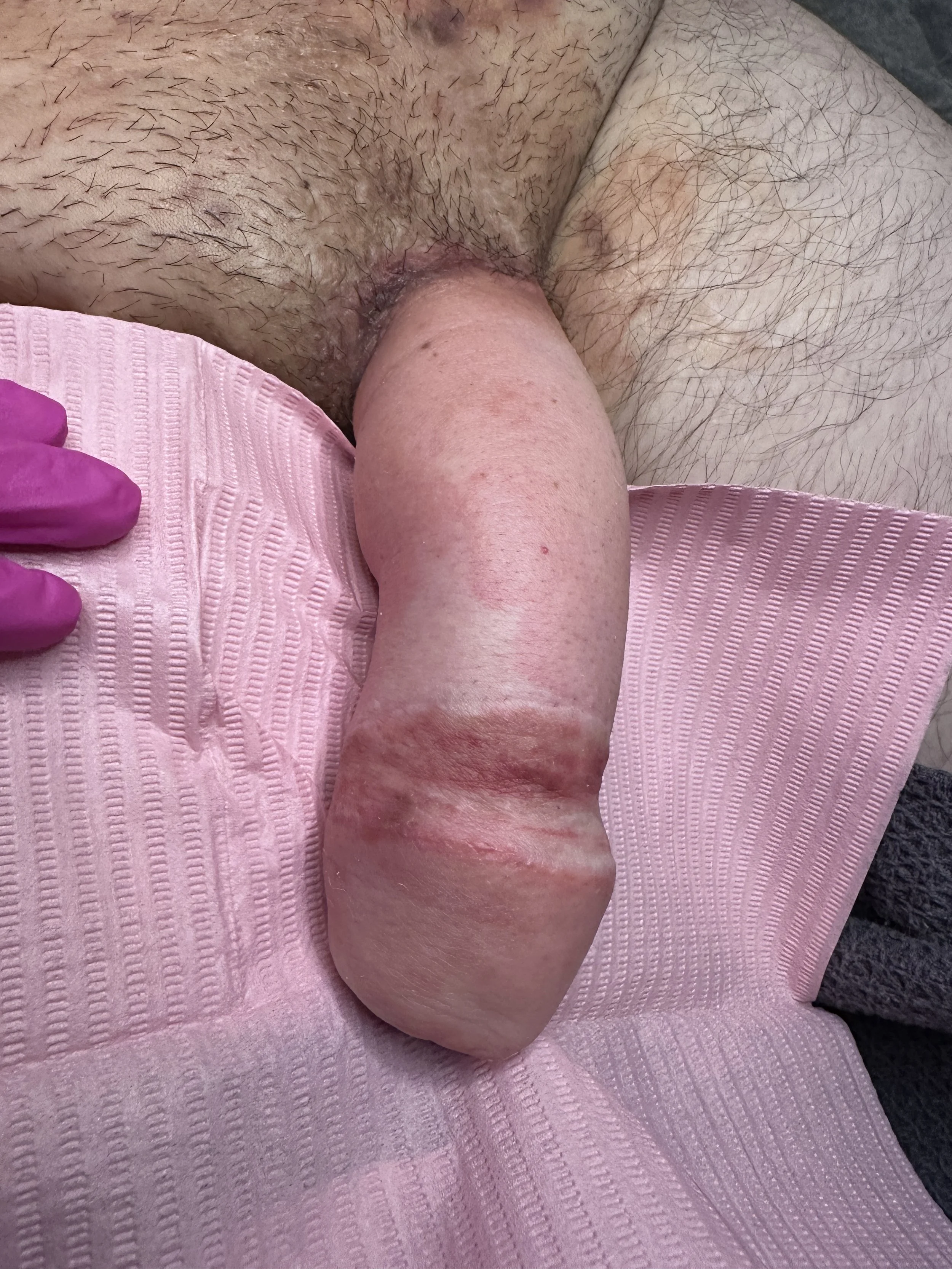
Phalloplasty tattooing after gender-affirming phalloplasty surgery. This photo shows results after one session. Color, texture, and dimensional detail will be gradually layered and refined in future sessions using trauma-informed medical tattooing techniques on fully healed tissue.
Phalloplasty is a life-changing gender-affirming procedure. For many individuals, surgery is a powerful step toward alignment and authenticity. However, once surgical healing is complete, refinement is often the next stage of the journey.
Phalloplasty tattooing is a specialized form of paramedical tattooing designed to enhance color, dimension, and natural appearance after fully healed phalloplasty surgery. At Luxe Paramedical in Greensburg, Pennsylvania, this work is approached with trauma-informed care, advanced medical tattooing techniques, and a deep respect for each client’s surgical and emotional experience.
What Is Phalloplasty Tattooing?
Phalloplasty tattooing is a restorative medical tattoo procedure performed on fully healed surgical tissue. The goal is to enhance natural color transitions, improve visual texture, and create dimensional detail that supports a realistic appearance.
This process is not completed in a single session. Instead, color and texture are gradually layered over multiple appointments. The image featured in this portfolio reflects results after one session. At this stage, early color placement establishes foundational tones. Future sessions build depth, refine shading, and enhance realism with precision.
Because phalloplasty tissue may include grafted skin and scar tissue, specialized techniques are required. Trauma-informed medical tattooing ensures that the skin is treated carefully, respectfully, and safely.
Why Multiple Sessions Are Important
Healing patterns vary significantly depending on graft type, surgical method, scar formation, and individual skin response. Scar tissue behaves differently than healthy skin and may retain pigment unpredictably.
For this reason, phalloplasty tattooing is performed gradually. Each session allows time for the tissue to heal fully before additional pigment is layered. This approach improves safety, longevity of results, and overall aesthetic outcome.
Layering color over time allows for:
• Controlled pigment saturation
• More natural dimension
• Improved blending between graft and surrounding tissue
• Custom adjustments based on healing response
The result is not rushed. It is carefully built.
Ethical Pricing to Support Access to Care
Post-operative gender-affirming care should be accessible. Ethical pricing of $300–$500 per session is offered to help ensure individuals can continue their recovery journey without unnecessary financial barriers.
Because multiple sessions are typically required, transparent and ethical pricing allows clients to plan realistically for their full treatment course.
Restorative, Not Cosmetic
Phalloplasty tattooing is a medical restorative procedure performed on healed surgical tissue. It is not cosmetic tattooing and is not trend-based. The work focuses on anatomical realism, color correction, and supporting post-surgical healing.
Every treatment at Luxe Paramedical is performed in a private, supportive environment that prioritizes consent, comfort, and professionalism.
The Final Stage of Healing
For many clients, paramedical tattooing represents the final step in a long and meaningful process. Refining color and dimension can significantly impact how someone feels in their body after surgery.
While tattooing does not change the surgery itself, it can enhance visual harmony and support confidence during recovery.
If you have completed phalloplasty surgery and are exploring restorative tattooing, schedule a free consultation with Luxe Paramedical in Greensburg, Pennsylvania to discuss your goals and personalized treatment plan.
Have questions about healing timelines, number of sessions, or whether your tissue is ready for tattooing? Contact Luxe Paramedical today to learn more about trauma-informed phalloplasty tattooing and post-operative care options.